


Articles covering climate-driven heat, droughts, fires, and lost agriculture production have dominated this summer’s headlines, including one of the largest wildfires in Belgium’s history. The news is devastating. In many ways, this season’s adversity has become a proving ground for adapting food systems amidst a changing climate, including at our farm, Domaine de Graux. More than ever, we hold a sense of urgency in our mission and value the work of so many others who are building a more resilient food system.
From The Nest
In our top news for the month, our founder Els Thermote poses a compelling question:
What if we make organic food the norm, and require clear labelling for food grown with pesticides, just as we already label sugar, fat, salt and allergens?
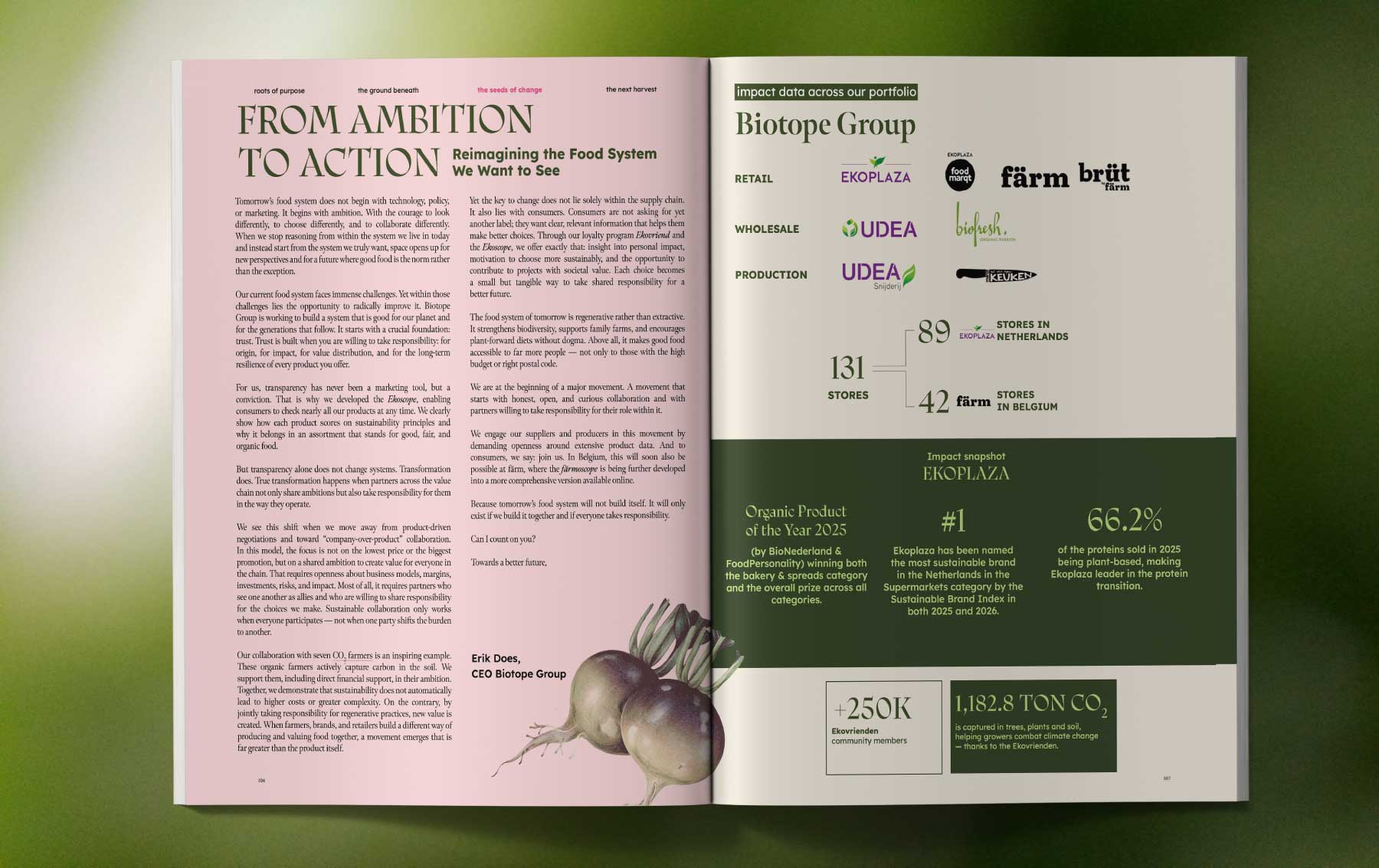
Els’ post, one of the many articles in our first edition of Rooted, is now available on The Nest’s blog. In August, we also highlighted another article from Rooted, authored by Erik Does, CEO of Biotope Group, "From Ambition to Action: Reimagining the Food System We Want to See". His piece emphasizes the transformation possible when “partners across the value chain stop negotiating over price and start collaborating over purpose.”
Sponsorships and Discount for RFSI
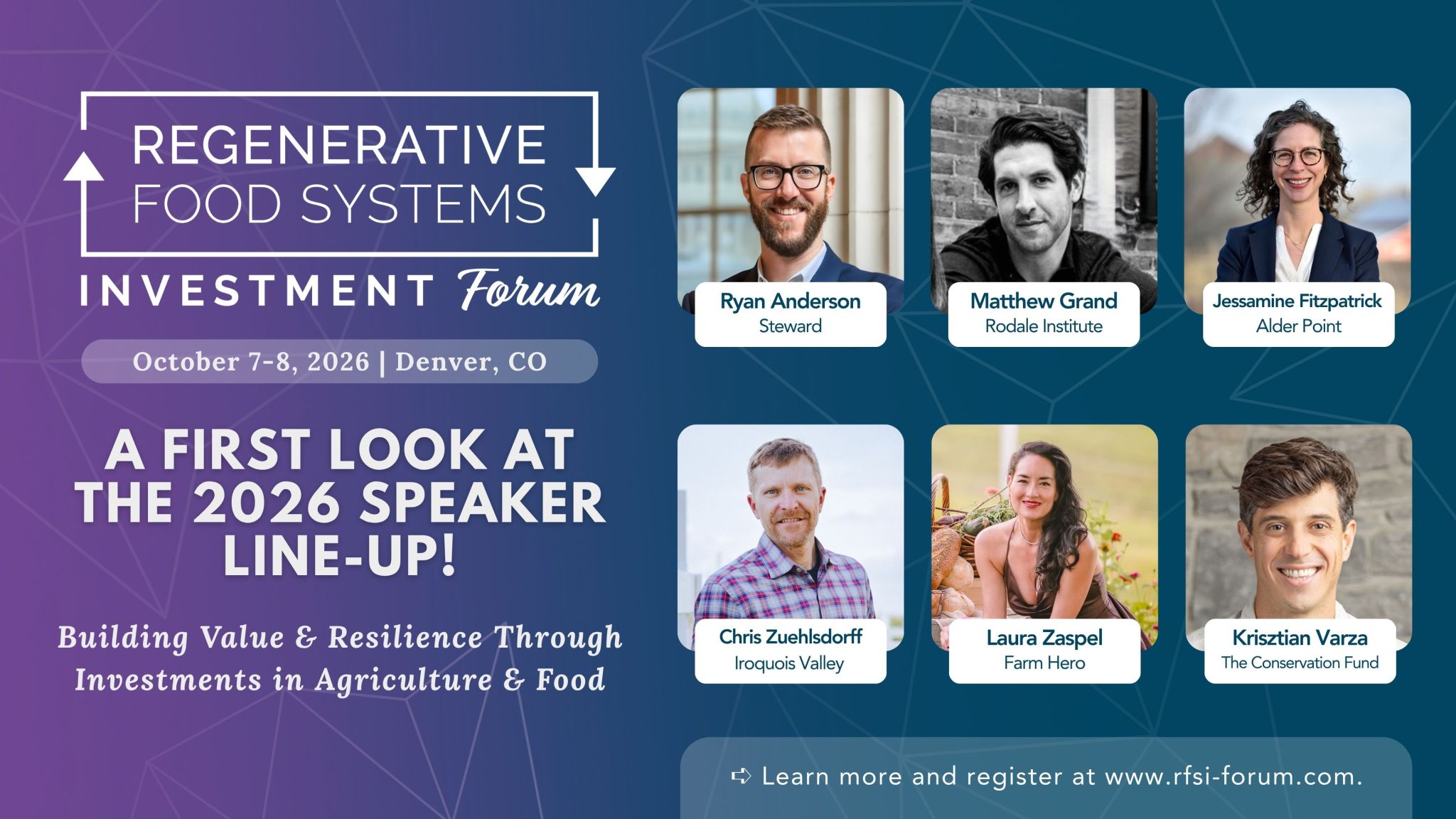
The Nest sponsored farmer scholarships for the upcoming RFSI Forum, 7-8 October, in Denver, Colorado. If you are planning on attending, you can use the discount code NEST10 to receive 10% off your registration. Look for The Nest portfolio companies at the Forum, including Ryan Anderson, COO of Steward, who will be speaking.
From the Farm
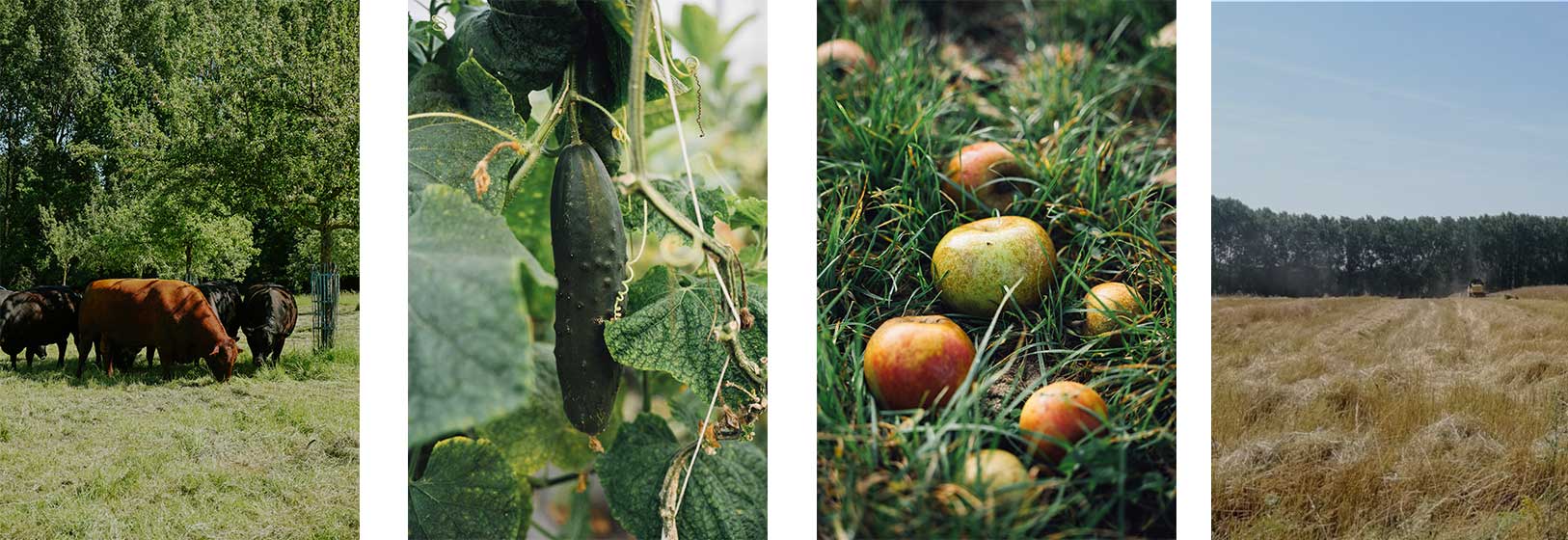
This summer’s heat affects not only crop production, but the health of livestock. To protect our herd at Domaine de Graux, our cows can find shade in the orchard meadows and accessible shelters. From wooded areas that keep our pigs cool to automatic water troughs, learn how we adapt our livestock production methods to ensure the safety of our animals.
The heat and drought also stress the trees in our tall-stem orchard, affecting this season’s harvest timing and productivity in the future. Fruits have been ripening early, requiring shifts in our harvest activities and grazing rotation for the cows, and adjustments to the sweetness levels in our jams. Managing an orchard without synthetic chemicals relies on maintaining balance with a diverse ecosystem and building resilience for difficult seasons.
Our crop fields yielded mixed outcomes from the weather extremes: a doubling of rapeseed harvest this year, yet half our pea crop was lost when the heat stress prevented flowering. Despite the challenges, production at the farm has still been successful thanks to the health of our soil and our practices.
Sadly, many farmers in the area were impacted by the weather. To better understand how the extreme temperatures are reshaping agriculture at the regional level, we spoke with Blaise Duthoit, an independent agronomist working with Farm For Good and a member of our Domaine de Graux Research & Innovation Committee. In the article, he discusses how different agriculture systems respond to climate challenges, the external impacts of markets, and gaps in the safety net Wallonia farmers rely on during events like this drought.
From the Foundation
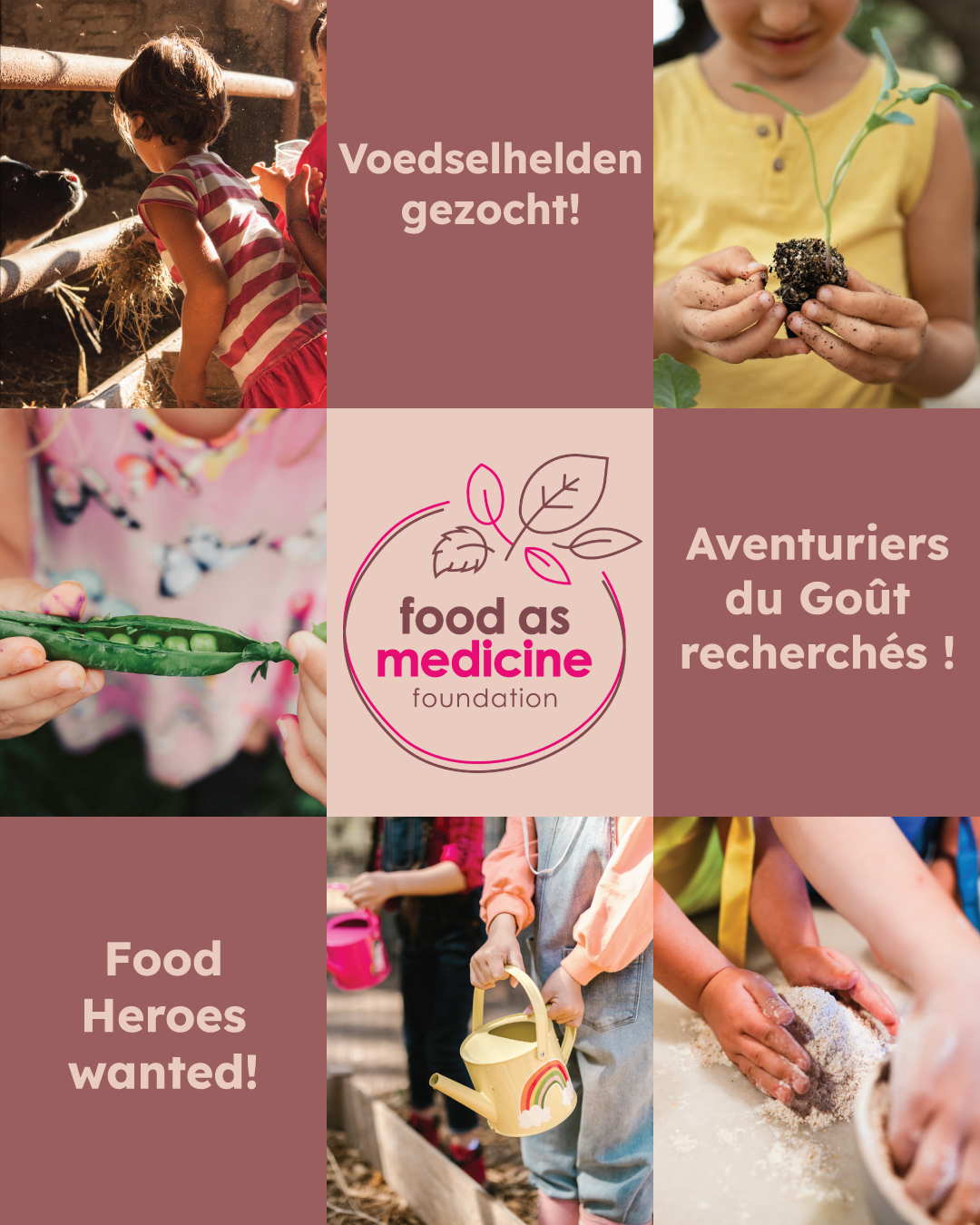
Food Heroes wanted! As from September 1, schools can apply for support from the Food As Medicine Foundation with our second project call of the year. The opportunity is available for preschool and primary schools in Belgium. Projects should focus on helping children discover healthy food and its connection to nature. Learn the details and how to apply at our foundation website.
Our Food as Medicine Foundation supports several initiatives, dedicated to projects that build access to healthy food for all and support the adoption of regenerative and organic farming. Two of newest projects we support include the HERA Award Sustainable Food Systems, an annual prize of Є2,500 for a master's thesis incorporating a systemic approach to sustainable development, and Landwijzer, a school that trains the organic farmers of tomorrow.
Our Foundation also supports the Seaweed Insights report, produced by Hatch Blue. In August, Hatch Blue ran the world's first Blue Biotechnology Studio with Bigelow Laboratory for Ocean Sciences and the Maine Technology Institute. Ten early-stage companies working across the full marine value chain, from breeding better seaweed to turning aquaculture waste into biomedical materials and animal health products, took part in the two-week event.
Portfolio News
Walden Mutal Bank
Each summer, Walden Mutual Bank offers their customers a different kind of dividend. The bank reimburses depositors up to $100 spent at farmers' markets, co-ops, and small food businesses. The program promotes community and supports local food systems.
Ekoplaza
Ekotown, the organic food festival organized by Ekoplaza, wrapped up a successful second edition on August 30, bringing together more than 4,500 visitors of all ages and over 180 suppliers who presented their product range. From food stands and tastings to inspiring talks and hands-on workshops, the festival connected the entire organic chain.
The turnout is a powerful reminder that the transition to a healthier, more sustainable food system is not a journey taken alone. A growing community of consumers, farmers, food businesses and organizations is ready to make change happen.

Other Portfolio News
- Edacious: Rodale Institute, a partner with Edacious on nutrient density data for regenerative organic production, will present the webinar “Nutrient Dense Food: What Farmers Are Measuring and How They’re Selling It” on September 30.
- LocalLine: RocketCup Coffee scaled its wholesale program to 90+ grocery stores in four months with LocalLine, no distributor required.
- Färm: Greenwashing: how to navigate it and why do we choose to talk about it?
Fund News
biotope by VIB
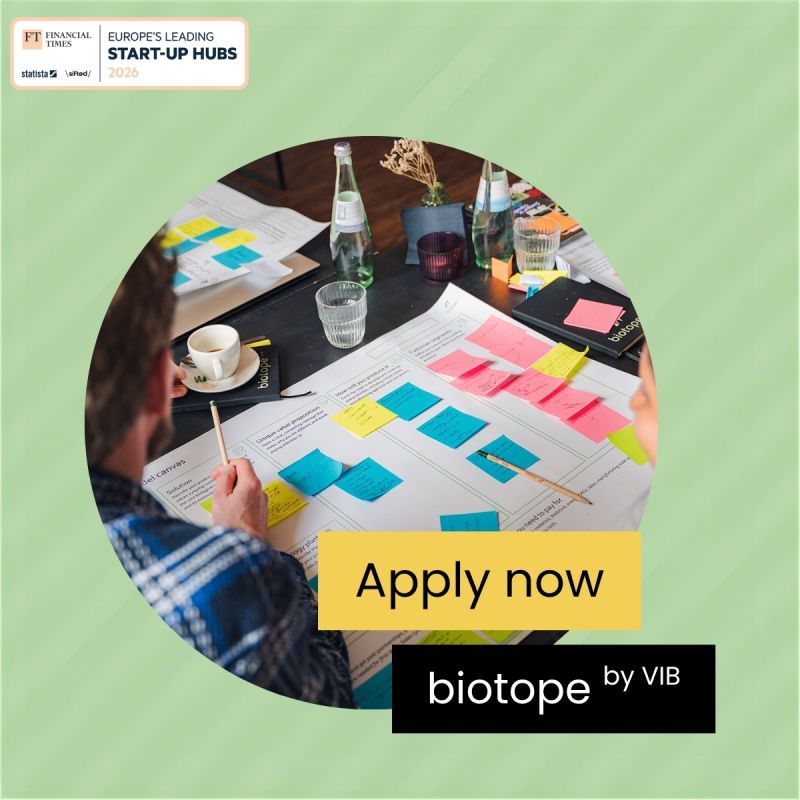
Applications are open for the next biotope by VIB basecamp. Biotech startups focused on innovative planetary health solutions should apply. Selection criteria:
- You offer a unique biotech-based solution to a problem that can be quantified.
- IP (current or pending) preferred.
- You need a dedicated support network, and you are ready to build a proof-of-concept.
- Your team has two or more committed co-founders.
- Company based and headquartered in Europe, Africa, Asia, or Latin America.
- Your solution can be ready for a next funding round with early stage funding of Є350k and bespoke support.
Apply here until 25 September at midnight CET.
Other Fund News
- Astanor: Astanor co-led a $6.5M round in BioScout, the world's largest agricultural disease-surveillance network. Co-funders included Demea Sustainable Investment, with continued backing from Grains Research and Development Corporation, GrainCorp and Artesian (Alternative Investments). Astanor also invested in RFI Ingredients, a turnkey provider of natural extract ingredients.
- Buoyant Ventures: Measuring the Intelligence Layer, Buoyant's 2025 Impact Report
- Omnivore: Novel ingredients for a health conscious India, Why we invested in Arboreal
- SP Ventures: Food Security is Also an Input Security Problem
Impact
Investing in systems change is complex, not just in the systems themselves, but also in how we measure the collective impact of a portfolio against long-term outcomes. The article “Investing for Systems Change Means Refining How We Think About Impact,” from the Stanford Social Innovation Review, provides a clear framework to simplify measuring systemic impact:
- Map the system and identify changes that occur over time.
- Determine if your investments contributed to the changes.
- Assess if your strategies and actions were the right pathways to create desired change and refine as necessary.
For inspiration, the Food Systems Dashboard connects 300 indicators across multiple data sources at the global or country level. The data inclues agricultural production, food availability and affordability, diets and nutrition, livelihoods, climate, environment, resilience, and governance, as well as policy drivers and external drivers influencing these factors. Their Food Systems Countdown Initiative maps causal relationships between different food system indicators.
What We’re Reading and Watching
We are always pleased to see the topic of soil health and nutrient density make headlines in popular media, such as this article from The Guardian, “Nutrients in our food are declining. Can regenerative agriculture save it?” For a deeper look at the science, also explore The Link Between Soil and Human Health on our blog.
“If auto insurance companies can offer drivers safe driving discounts, shouldn’t crop insurance offer farmers safe farming discounts?” asked Michigan Department of Agriculture and Rural Development (MDARD) Director Tim Boring. MDARD and their partner, the Resilience in Agriculture Lending and Insurance Coalition (RALIC), are conducting a NextGen Crop Insurance pilot that factors risk reduction with regenerative practices.
Agricultural losses from this season’s climate-driven heat and drought are projected to total €2.3 billion for the UK and EU. The crisis is driving renewed support by banks and corporates for risk reduction and funding around regenerative agriculture, according to this post from the Fidelity investment group.
Stories of Hope
The United Nations declared 2026 the International Year of the Woman Farmer. Two stories we read this month highlight the importance of women’s roles in defining food systems:
- The Arya.ag report, Her Harvest 2026: The hidden cost of women’s invisible work in Indian agriculture, builds a strong business case for recognizing the leadership and contributions of women in India’s agriculture system and empowering them with better access to funding and resources. The report highlights eight women who are leading the future of agriculture in their regions of India.
- An immersive online story and videos from the Global Alliance for the Future of Food, A Living Territory, explores how a group of women farmers on the Pacific coast of Columbia defied death threats and environmental destruction to rebuild a community model of food sovereignty, care-based governance, and cultural resilience.
In Memory
“The care of the Earth is our most ancient and most worthy, and after all our most pleasing responsibility. To cherish what remains of it and to foster its renewal is our only hope.”
― Wendell Berry
We are grateful to Wendell Berry for the wisdom he shared, his beautiful prose, and his inspiration to many of us in and around agriculture.