


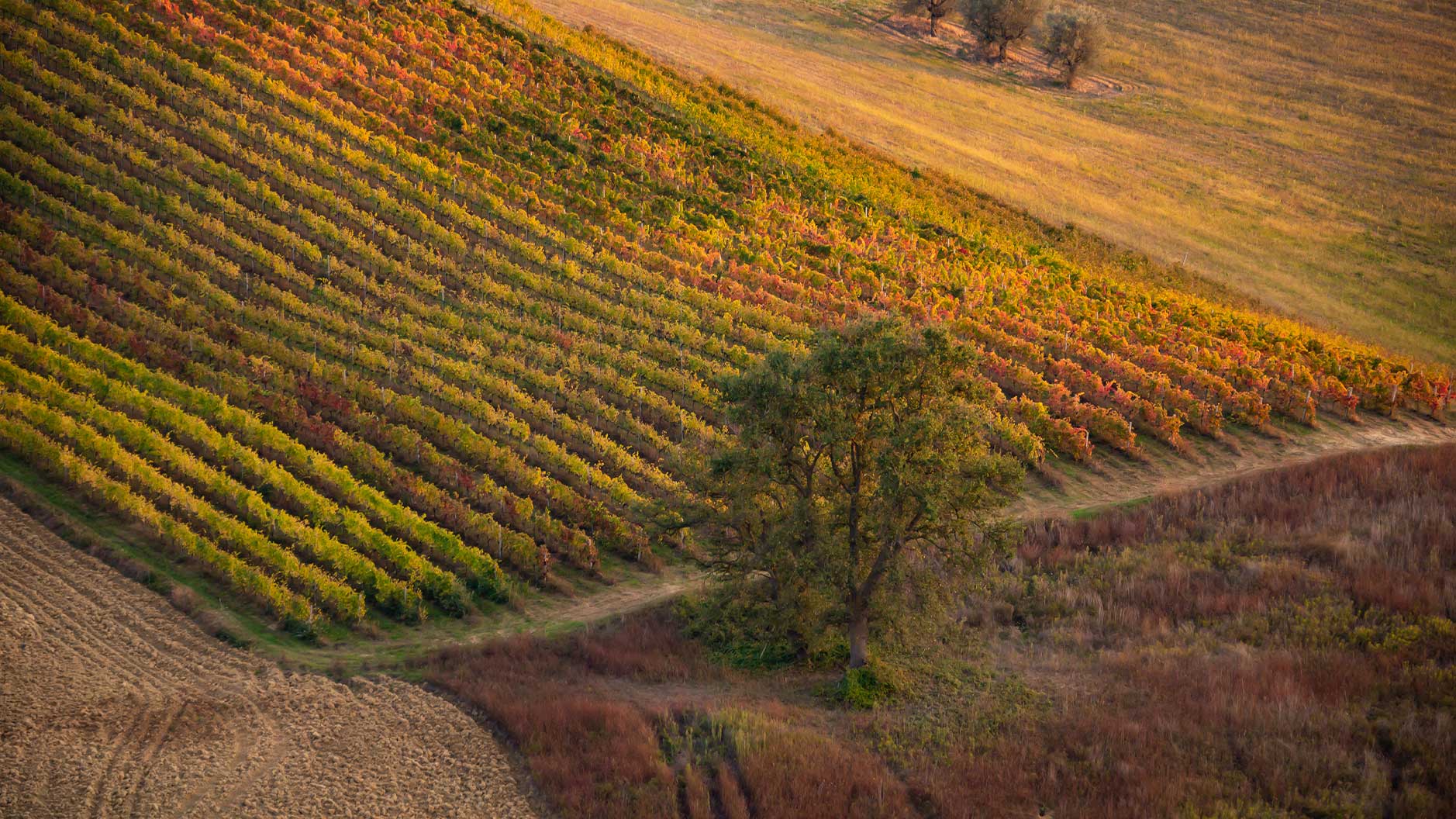
The days are getting shorter as our team prepares Domaine de Graux for winter. These months are typically quieter at the farm. For our team, however, it will be one of our busiest times as we prepare to reopen the domaine, with all the new spaces, amenities, and updates, in early spring.
On 5 March 2027, Domaine de Graux will host the Regen Farm & Food Systems Tour, an optional add-on experience following RFSI Europe. Attendees will experience hands-on demonstrations and discussions, meet our farmers and farm impact coordinator, who will discuss our agroecological approach and the impacts we measure. The tour will include a farm-to-table lunch. If you are attending RFSI Europe, we hope you will also join us at Domaine de Graux.
From the Nest
Our founder, Els Thermote, has a featured post on bloovi, “Organic as the Norm.” The post excerpts her insights on the need for transparency on food labels regarding how our food is produced, including the use of harmful pesticides. “Transparency is not a punishment, it is a basic condition for a credible food system,” she states. Read the full post in our edition of Rooted.
Protéger le précieux by Lana Brion is one of the two artworks from the art path at Domaine de Graux wrapping up exhibition at the WONDER Festival. The work is simple at first glance, four stakes and a single cord that set apart a patch of soil as an exhibit. Anouk Schoors’ article, “What if we treated soil as an asset?” builds context for the artwork and deepens our understanding of the value of the earth beneath us.
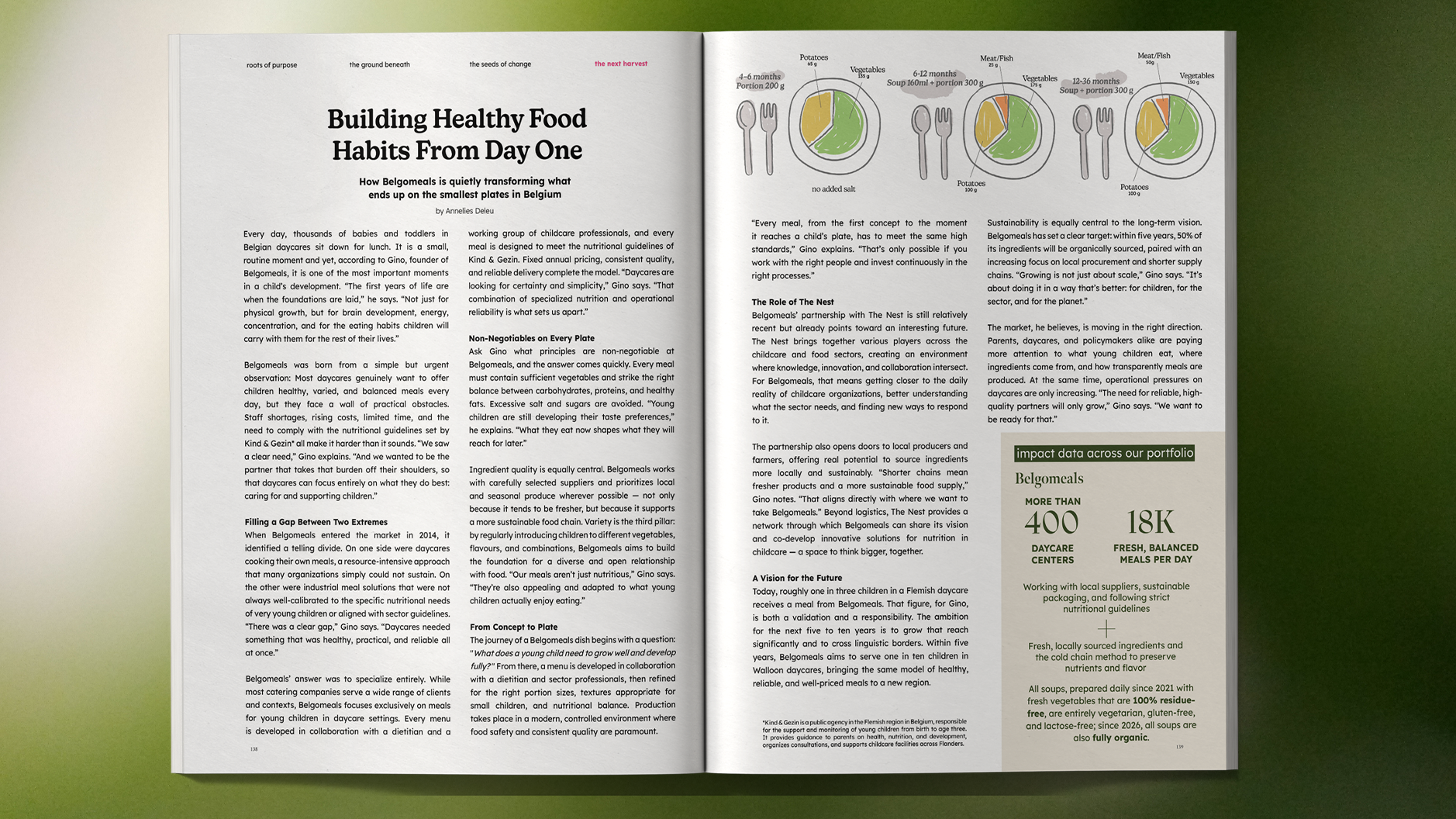
Also featured this month from our magazine, Rooted, is the story of Belgomeals, a company that has grown to serving 18,000 fresh, balanced meals every day at more than 400 daycare centers.
From the Farm
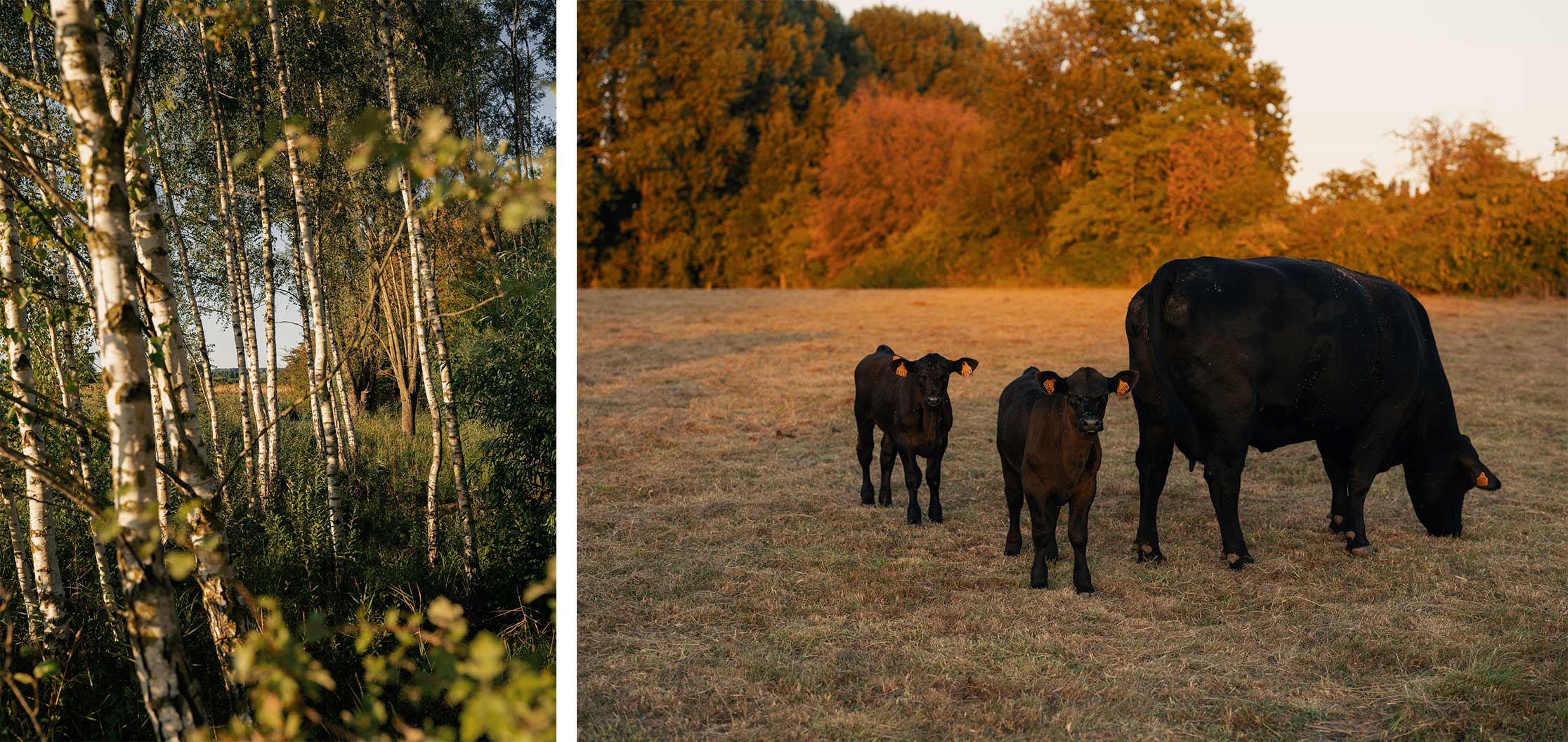
In October, the Domaine de Graux R&I Committee met again, this time for a research design workshop. Our experts split into two groups, each taking one of the priority topics identified earlier: cover crops and companion mixes, and robotics and light precision tools. Each group worked out what the research could look like in practice: the timeline, the challenges, the indicators to track and the resources it would need.
One question stayed with us after the session: are our minds stuck on the cropping calendar? Farmers are taught to follow a fixed seasonal rhythm, but it can pay to step outside it. Why not sow spring barley in autumn, for instance? Questions like this are exactly why the committee exists. It brings together strategic, scientific and operational perspectives from outside and inside the farm. It helps us define our research priorities, co-construct a rigorous research agenda and think bigger.
New Website for Domaine de Graux
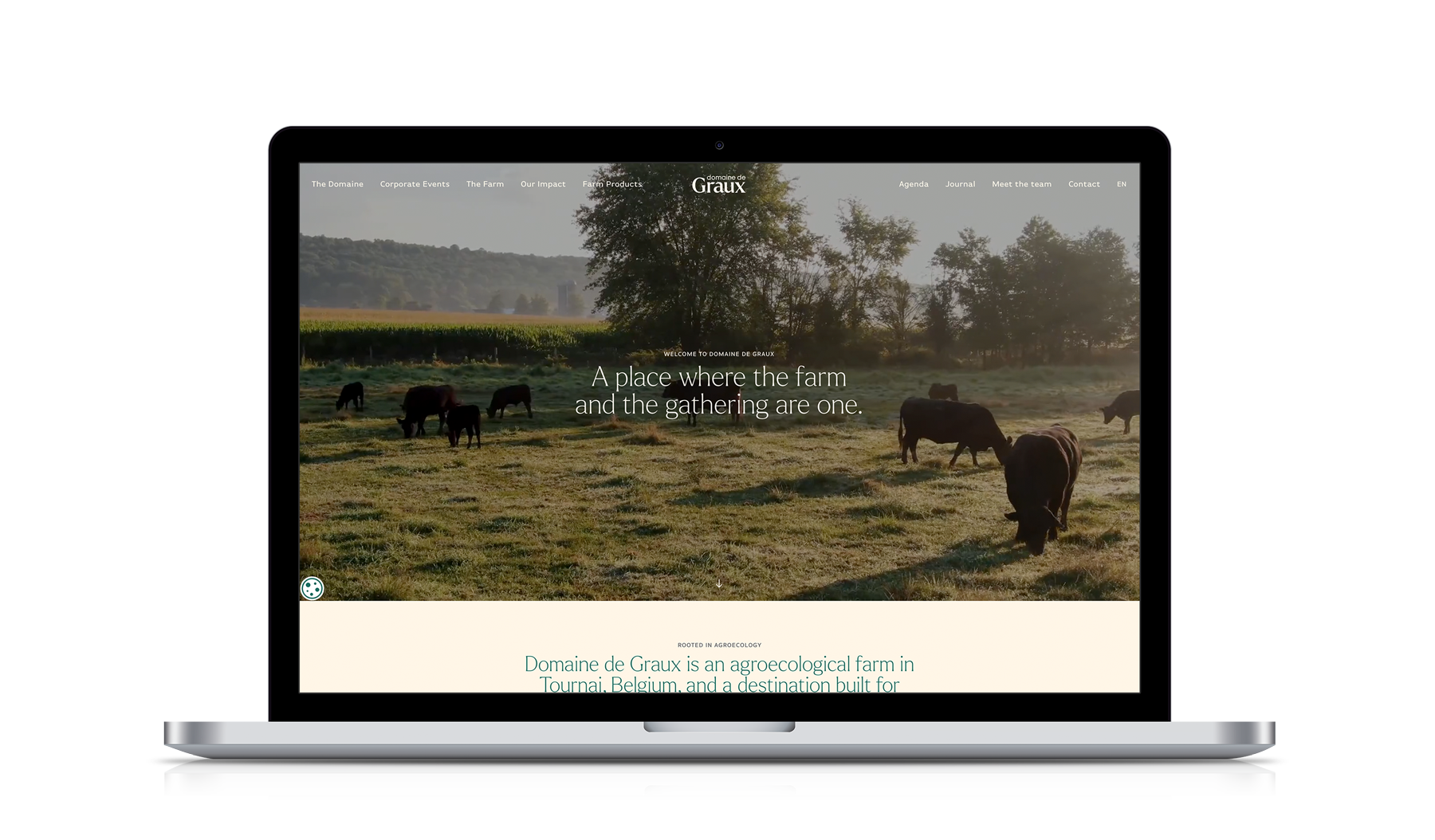
Our farm is not the only “site” with new construction. This month, we launched a new website for Domaine de Graux. The pages offer a tour of all the amenities and options that will be available in Spring 2027, including our meeting rooms, event spaces, restaurant, education and workshop spaces, and accommodations. We are so excited to share this place where farm and gathering are one, when we reopen. We will be launching expanded programmation as well, including activities to connect with your team and your surroundings: from mindful movement to cooking ateliers, biodiversity walks, and farm tours. We hope you will visit us online for a look at what we are building and the experiences ahead.
Be sure to register for the Domaine de Graux newsletter which will offer updates from the farm, public event announcements, and news, or inquire about booking your event.
From the Foundation
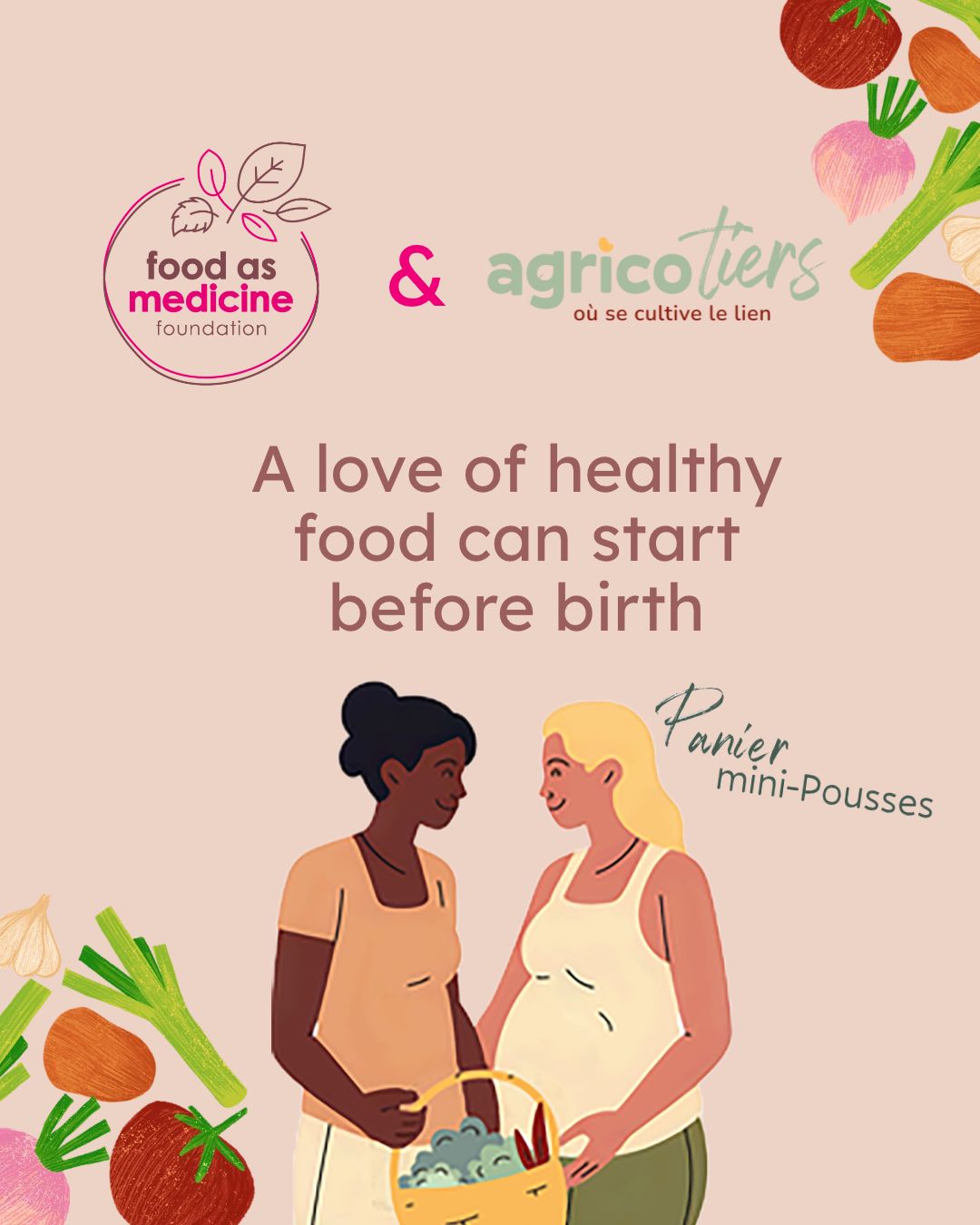
Our foundation is excited to support the Mini-Pousse project, led by the Agricovert cooperative and the non-profit Agricotiers. The pilot program provides a weekly basket of local, organic vegetables to pregnant women in Gembloux, Éghezée and Court-Saint-Étienne. The program also offers workshops on healthy everyday habits, from cooking seasonal produce to limiting exposure to endocrine disruptors.
The Mini-Pousse project was inspired by the growth of Green Ordinance initiatives across 20 cities in France, and a similar pilot in Strasbourg. Our foundation will be studying the impact of the program and how it could grow across other regions, including potential for a pilot project in Flanders.
Portfolio News
Ardo
Congratulations to Ardo on winning the Jury’s Special Award (Large Companies) at the SIAL Paris For Change 2026 Awards, in recognition of their MIMOSA+ resilient agriculture programme.
Other Portfolio News
Edacious
How Edacious Labs Prove Data Accuracy: ISO 17025 and Proficiency Testing
Prado
updated their website with user-based walk-throughs of their solution and updated metrics on the benefits of medically tailored meal programs.
Walden Mutual Bank
partners with Catch Together to foster A Cooperative Future for Fishing

Fund News
Pymwymic
Pymwymic, in collaboration with The Mark Leonard Trust, produced a report entitled Hollow Harvests. The report examines the state of “nutrient dilution,” a result of decades of breeding and farming for yield have left many crops with 20 to 50% less of several key nutrients. Access the report here.
AgFunder:
From climate finance to AI’s impact on smallholders, here’s what to expect at COP31
Astanor:
Astanor portco Source acquired Optimal Agriculture, a solution to support autonomous, optimized greenhouse growing.
biotope by VIB:
biotope’s 10th boot camp kicks off with 12 new biotech startups from 8 countries. The startup solutions range across the agriculture, construction, materials, textiles, food, biosensing, and industrial biotech sectors.
Blume Equity:
Blume is hiring for an AI and Data Internship role.
Omnivore:
The 40th edition of Omnivore’s Harvest Newsletter provides insights from their latest Impact reports and perspectives on deeptech, food processing and the role of capital in building more resilient food systems.
Synthesis Capital:
Negotiating Commercial Exclusivity: Lessons from Both Sides of the Table

Impact
Through The Nest, the FAM Foundation, and work of Domaine de Graux, in both agroecological practices and in connecting communities, we are committed to systemic change. But as we begin this season of gratitude and giving, we are reminded of the importance of individual action. That how we each engage with the food system, the actions we inspire for those around us, and how we energize ourselves by joining with community are an essential driver for systemic change.
This principle underscores our vision for Domaine de Graux as a place of connection. It is also the core of a framework by Jill Kubit of Dear Tomorrow, a climate action organization. Her article centers on climate—a topic around which individual action is often framed as “too small to matter”—however, the principles apply to any systemic initiative.
What We’re Reading and Watching
We’ve long understood that scaling regenerative agriculture requires rethinking how risk is priced in the cost of capital and crop insurance programs for farmers. A new report by Transformational Investing in Food Systems (TIFS), Triangle Digital, and the University of Michigan’s Center for Digital Asset Finance looks at the trends, technology, and tools converging to lower the cost of capital for farmers and reduce their risks of transitioning to regenerative production. Read the report, “Pricing In Resilience: The Future of Financial Services for Soil Health.”
Stories of Hope
Our portfolio company Local Line provides solutions for food hubs to gain access to markets. Food hubs, however, can take on many roles besides food aggregation. The Alex Community Food Centre in Calgary, Canada operates not just as a farm and food hub, but a hub for community that provides access to healthy meals, an affordable produce market, cooking and gardening workshops, and space for connection. Watch “Cultivating Resilience: The Role of Food Hubs in Strengthening Communities.”
Rooted in Justice is an immersive education on global food justice issues. The online experience combines video, images, and the stories of eight food justice leaders with data analysis and research to build deeper context for the cost of extractive food systems and the resilience and strength of the people who working for change.